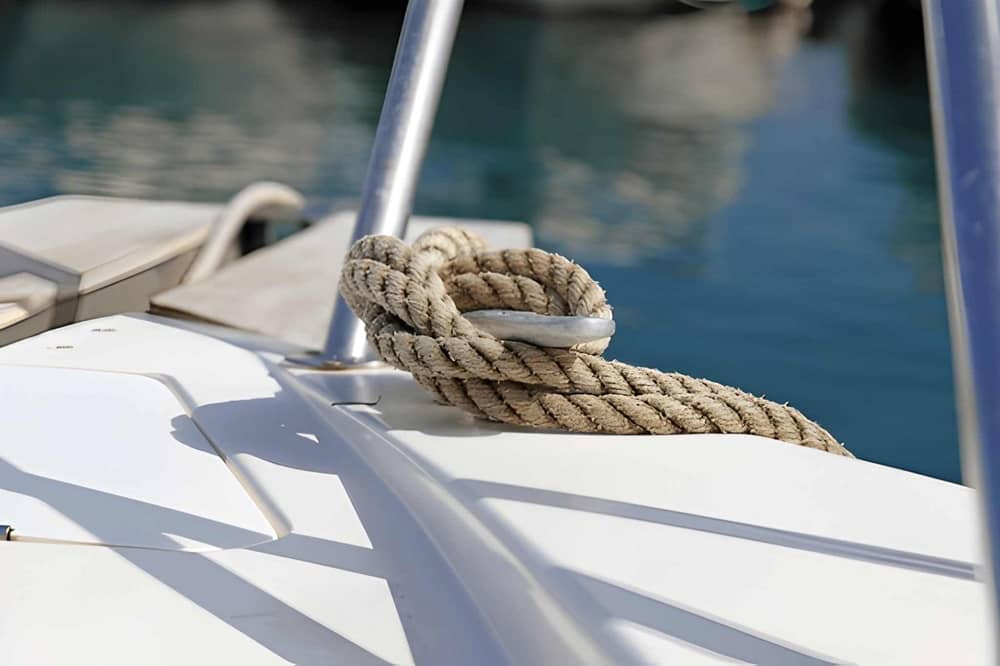
Not all rope is created equal, and picking the wrong one can leave you with a snapped line at the worst possible time. Strength matters, sure, but so does how your rope behaves under load, in the sun, and out on the water. Polyester and nylon are the two heavy hitters of the marine world, and while they might look similar coiled up on the dock, they perform very differently once they’re put to work.
Polyester holds its ground. It’s the steady, no-nonsense option that stays put under tension. Nylon, on the other hand, is the flexible one, built to stretch and absorb shock when you need a bit of give. Knowing which is which can save you a headache, whether you’re docking in Melbourne, mooring in Sydney, or heading out from Brisbane.
What Makes Polyester Rope Different
Polyester rope is a stand-out product thanks to its high breaking strength and minimal stretch. Plus, it resists elemental degradation, which means it is tough against salt water and UV radiation. It maintains load-bearing capability when wet and is exceptionally durable. You can browse the range in our polyester rope catalogue.
You mainly see polyester rope in the marine and boating world. Often it is used for yacht lines and halyards due to its resistance to salt water and UV, and its high levels of water resistance.
Polyester rope is also used for industrial rigging, lifting and pulling, where you need dependable static tension. Examples of industrial use would be in abseiling, for those brave people who are washing windows on tall office buildings.
This leads into the use of polyester ropes in the fitness world. Indoor rock climbing and abseiling, places where you need that strength and tension, but also its ability to resist abrasions, such as across rocks and rough surfaces.
What Makes Nylon Rope Different
Nylon rope is different because it offers superior elasticity, high shock absorption, and exceptional tensile strength, making it distinct from materials like polyester and polypropylene.
Nylon has high elasticity; this means it can stretch under loads offering cushioning against sudden jerks in movement. This stretch-factor also gives nylon ropes great tensile strength. It can absorb a lot of energy before it even looks like breaking.
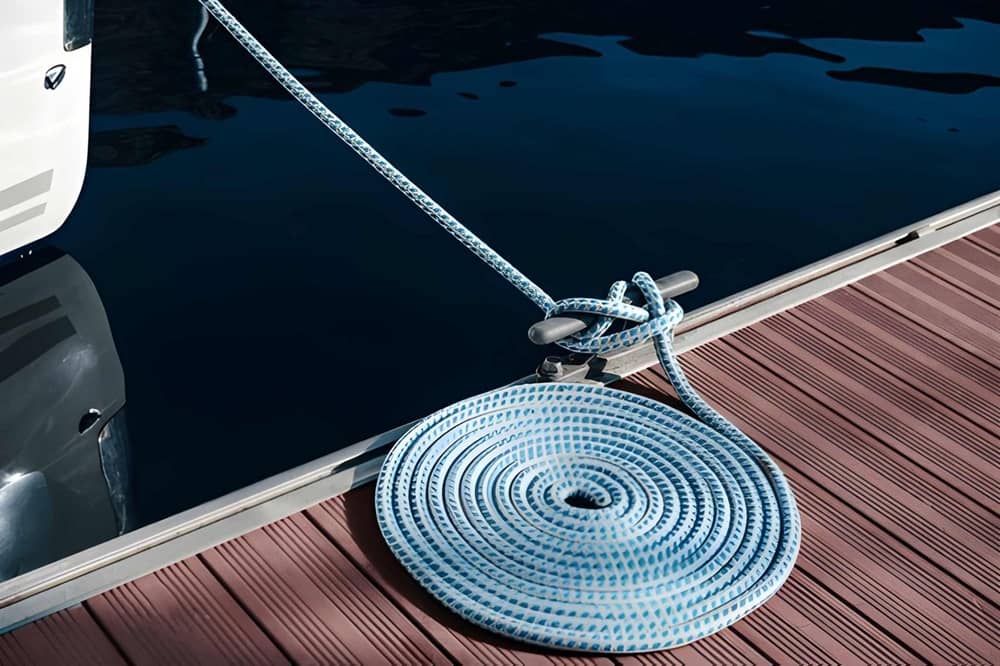
Nylon rope is also highly resistant to rot, mildew, and some common chemicals. This makes it ideal for wet and damp environments. You will often see nylon ropes used in the maritime industry for mooring lines and anchor lines, where it absorbs the shock of movement caused by waves and wind.
Polyester vs Nylon: Key Differences at a Glance
Nylon and polyester ropes differ primarily in stretch, wet strength, and sun resistance. Nylon provides high elasticity and shock absorption, while polyester offers low stretch and superior stability in water and sunlight. Both materials are strong synthetics, but they suit different tasks.
| Feature | Nylon Rope | Polyester Rope |
| Stretch | High elasticity, 20-30% under load | Low stretch, only 8-12% under load |
| Wet Strength | Loses 10-15% breaking strength when wet | Hydrophobic. Retains 100% of strength while wet |
| UV/Abrasion Resistance | Lower resistance to sun and pulley wear | Strong resistance to UV and abrasion |
| Best For | Anchor lines, towing and climbing setups | Rigging, halyards, permanent outdoor fixtures. |
Which Rope Should You Choose?
Choosing between nylon and polyester depends on whether your task needs elasticity or stability: Nylon provides high elasticity and shock absorption, while polyester offers low stretch, superior UV resistance, and full strength when wet. You can explore options like specialised marine rope via Whittam Ropes.
| Application | Nylon Rope | Polyester Rope |
| Docking | Best choice. It can stretch up to 30% to help cushion a boat from tidal surges. | Good for calm waters and protected marinas. |
| Anchoring | Good choice. Shock absorption against sudden jolts and can protect deck hardware. | Not a good choice due to lack of give, but it performs well against abrasion, such as on rocky sea floors. |
| Towing | The best choice thanks to stretch, which can protect towing hardware from being ripped out due to sudden jolts. | Not a good choice. The rigid nature of this rope means any sudden jolt or movement is transferred directly to the hardware and can cause damage. |
| General use | Kinetic tie-downs, dynamic outdoor activities, high-load safety tasks. | Static tie-downs, rigging, and sun/rain exposed setups. |

Choosing the right rope for you comes down to matching the right rope to the right job. If your job requires some give in your rope, shock absorption for docking or towing, then nylon is your best choice. If you’re looking for stability, UV resistance outdoors and full strength when wet, polyester would be the best rope for you.
At Whittam Ropes, every length is manufactured right here in Australia, built to handle our conditions, from harsh UV exposure to marine environments. If you need a standard length, or a custom length, or splice for a specific application, our team can tailor a rope to suit.
Get in touch with Whittam Ropes today to find the right rope for your next project, or browse our range of nylon and polyester options online.
FAQs
How long has Whittam Ropes been manufacturing rope?
Whittam Ropes has been manufacturing ropes and cords since 1982, making it a long-standing, family owned and operated Australian business.
Where is Whittam Ropes based?
Whittam Ropes is based in Carrum Downs, Victoria, and manufactures the majority of its products in-house at its own facility.
How many products does Whittam Ropes offer?
Whittam Ropes produces over 2000 different products in-house, covering marine ropes, industrial ropes, craft products, and hardware.
Does you offer custom rope options?
Yes, if you have specific requirements, the Whittam Ropes team can customise the size and colour of items for your order.
Can I place an order from outside of Australia?
Yes. While based in Australia, Whittam Ropes also supplies commercial and industrial organisations internationally.
Do you supply bulk or wholesale orders?
Yes, they offer wholesale solutions and can complete large bulk orders with a quick turnaround for national and global clients.
Can Whittam Ropes make custom rope specifications?
Yes, custom orders with unique specifications or adjustments are available, though these involve a base minimum order quantity.
What quality standards does Whittam Ropes follow?
They inspect strand quality, colour clarity, and overall appearance on every product, and won’t ship items that don’t meet their required standard.
How can I contact Whittam Ropes?
You can reach their team by phone on (03) 9775 0282, Monday to Friday, 9am to 5pm, or via email at contact@whittamropes.com.au.
Leave A Comment