
If you’ve ever found yourself bogged to the axles on a remote track in the hinterland, then you know that feeling: Will your cable be able to get you out of a jam? For years, steel cable was the go-to option for winches, however, in more modern times, synthetic winch rope has become more popular. At Whittam Ropes, we get asked all the time which one deserves to be the winch rope on your rig.
The answer is: it depends on how you drive, where you drive, and what you’re willing to trade off. Steel cable is tough, cheap to replace, and has been dragging vehicles out of trouble since long before synthetic fibres existed. Synthetic rope is lighter, safer if something goes wrong, and easier to handle on the trail, but it comes with its own care requirements and a higher price tag.
In this guide, we’ll break down how each option performs where it matters most: safety, weight, durability, and cost, so you can decide which is the better winch rope for your setup.
How Steel Cable Works
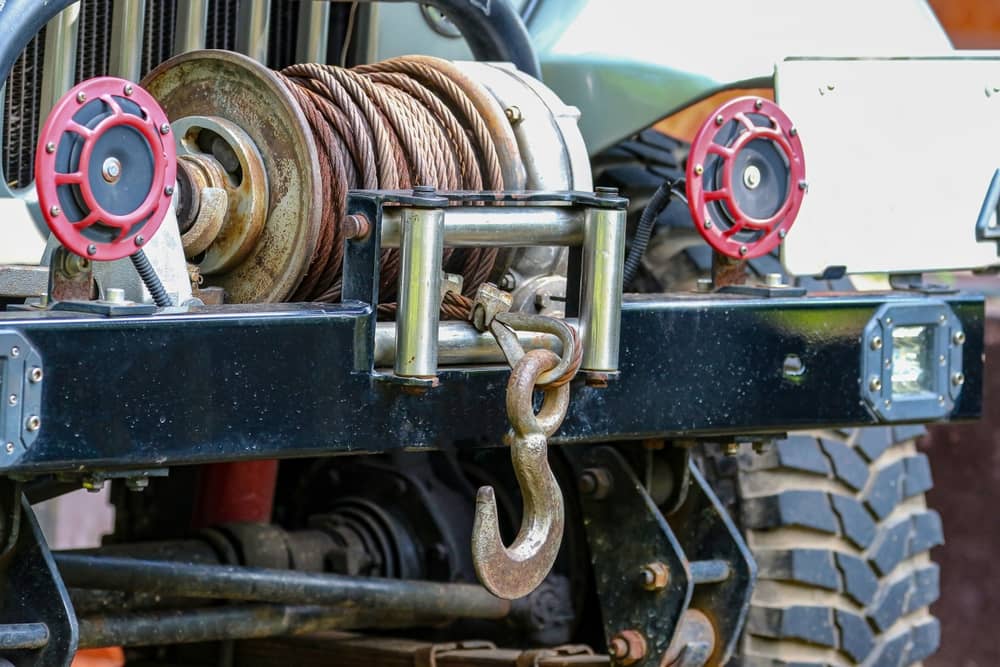
A steel cable is a twisted strand of high-tensile galvanised wire that spools under tension. It is highly resistant to friction and abrasion, however it stores massive kinetic energy. That means if the cable snaps, it will whip violently through the air and become a danger to anyone standing nearby.
- Tension and Friction: As you reel in the winch, the steel layers grip against themselves and wrap evenly across the metal drum, transferring the massive pulling weight of your 4WD directly to the anchor point.
- Durability Mechanics: The hard metal surface resists sharp rocks, sand, and heavy friction better than fibers, making it tough in harsh terrain.
- Energy Storage: Under heavy load, steel cable stretches slightly and acts like a giant spring. If it breaks, that stored energy causes a dangerous whiplash effect.
How Synthetic Winch Rope Works
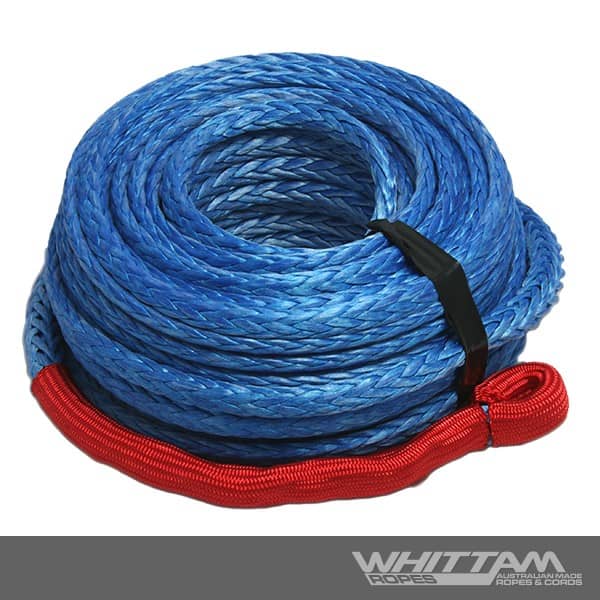
Synthetic rope is braided from high-strength polymer fibres, typically Ultra-High-Molecular-Weight Polyethylene (UHMWPE) or Dyneema fibres. It distributes heavy pulling loads across 12 braided strands. Unlike steel cables, synthetic rope holds very little kinetic energy, so if it snaps it pretty much just drops to the ground.
- Braided Construction: Made of 12-strand hollow-braided Ultra-High-Molecular-Weight Polyethylene (UHMWPE).
- Load Distribution: When pulled, the braided strands flatten and grip each other, sharing the extreme load evenly across the entire line length.
- Low Elongation: It stretches very little under pressure, preventing the dangerous “slingshot” or whiplash effect common with steel.
- Dead-Drop Failure: Lacks heavy metallic mass and stored kinetic energy; breaking under load causes a dead fall straight to the ground.
- Field Splicing: Can be quickly loop-spliced back together with a simple fid to finish a recovery if a break occurs.
Safety: Kinetic Energy and Recoil
The scariest thing that can happen when winching your truck out of a ditch, is if the cable snaps. Steel cables store massive tension, kinetic energy, and can whiplash back and cause damage, to the car, or to a person, if you’re unlucky.
Kinetic Energy and Recoil
- Synthetic Rope: It weighs very little. Stores almost no kinetic energy under load so it falls flat if it snaps.
- Steel Cable: Heavy and stiff, it acts like a giant spring under tension. A steel cable will whip through the air at high speed when it breaks, which can smash windows, damage your vehicle, or even cause severe injury.
Safety Gear and Handling
- Synthetic Rope: Does not form sharp wire burrs, like steel cable has. It is safe to handle without heavy leather gloves and does not need a heavy winch damper blanket.
- Steel Cable: Creates sharp broken strands (“fishhooks”) that pierce skin when it snaps or wears over time. Requires heavy gloves for handling, and needs a heavy blanket or dampener draped over the middle to absorb recoil during a recovery.
Durability and Maintenance
Durability counts with both options for your winch. You don’t want to be days into a trek, kilometres from anywhere, and your winch breaks because you haven’t been taking care of it.
Synthetic rope is lighter and safer, but requires more care in the sun due to UV damage. A steel cable is a lot tougher against abrasions and friction, however it can rust if not taken care of.
Durability
- Synthetic Rope: Stronger at first, but weakens when exposed to UV light, dirt, and chemicals. It can fray or cut on sharp rocks.
- Steel Cable: Resists UV rays, mud, and sharp rocks easily. It can rust over time and develops sharp “fishhooks” (broken strands) that cut hands.
Maintenance
- Synthetic Rope: Needs regular washing to remove dirt trapped in the fibers. You must spool it neatly and use a protective sleeve over sharp edges. Make sure you dry the rope after washing.
- Steel Cable: Needs regular checks for rust and broken wires. You must coat it with light oil or wire rope lube to stop rust. If you see broken wires, you will need to replace the cable. Do not touch with bare hands.

Cost Comparison
Upfront cost is often the first thing 4WDers weigh up, and steel cable generally comes out cheaper. It has been the standard winch line for decades, which means it is widely available and typically the more budget-friendly option to buy or replace. The catch is that a snapped or badly kinked steel cable usually cannot be repaired out on the trail. If it fails structurally, the whole line needs replacing.
Synthetic rope carries a higher upfront cost, largely due to the specialised UHMWPE fibres used in its construction. That said, many 4WDers find the extra investment pays off over time. Synthetic rope is easier to handle, will not develop the sharp burrs that steel cable can, and in many cases can be spliced and repaired in the field rather than replaced outright.
When weighing up the cost, it is worth thinking beyond the initial purchase price. Factor in how each rope holds up to your typical conditions, how often you are likely to need a replacement, and how much you value the safety and handling benefits synthetic rope offers. For many drivers, the lower long-term hassle of synthetic rope offsets the higher price tag.
Operational and Maintenance Costs
Steel cable holds up well to sunlight and chemical exposure, so it is not fussy about environmental conditions. It does need regular greasing to keep rust at bay, and if it develops burrs from wear, those sharp edges can quickly damage a standard roller fairlead. Anyone considering a switch from steel to synthetic rope should also budget for a smoother fairlead, since the wrong type can accelerate wear on either line.
Synthetic rope brings its own upkeep. It is more sensitive to UV exposure and heat, particularly if it sits close to the winch drum during long recoveries, so periodic replacement should be expected over time. Many owners also add a protective sleeve to guard against abrasion from rocks and other sharp trail hazards. A hawse fairlead is worth pairing with synthetic rope too, both to protect the line and to avoid fraying from any leftover burrs if the winch previously ran steel cable.
Neither option is entirely maintenance-free. The right choice often comes down to which type of upkeep suits your driving habits and how often you are out on the tracks.
Long-Term Value and Safety Trade-offs
One of the most practical differences between the two comes down to what happens when something goes wrong out on the trail. Synthetic rope can typically be field-spliced if it breaks, meaning a recovery can often continue without needing to head home first. Steel cable does not offer that same flexibility. Once it fails structurally, it needs to be replaced rather than repaired on the spot.
Weight is another factor that adds up over time. Synthetic rope is significantly lighter than the steel cable equivalent, which takes pressure off the front end of the vehicle. Many drivers report this reduces wear on suspension and steering components over the life of the vehicle, an advantage that is easy to overlook when comparing ropes side by side, but one that becomes more relevant on rigs doing frequent recoveries.
Safety is where the two options diverge most. Steel cable stores considerable energy under load, which means a damper blanket should always be used during a winch pull. Synthetic rope stores far less energy, so if it does fail, it is far less likely to whip back dangerously. For many 4WDers, this safety margin alone is enough to tip the decision in favour of synthetic rope.
Which Is Better for 4WDs?
Synthetic winch rope is generally the better choice for recreational 4WDs. It is significantly lighter, safer if it snaps (dropping straight to the ground rather than whiplashing back), and easier to handle without the sharp burrs that steel cable can develop over time. Steel cable still holds its own where extreme abrasion resistance and budget-friendly durability matter most, but for most weekend and touring setups, synthetic rope’s safety and handling advantages make it the more practical option.
Many 4WD owners who make the switch to synthetic rope report a noticeable reduction in front-end strain on their suspension, thanks to the significant weight savings over steel. Lifespan can vary depending on how much sun and heat exposure the rope copes with, so a bit of care goes a long way.
If you’re ready to make the switch, check out our AUZ12 Winch Ropes, made right here in Australia to handle whatever the tracks throw at you. Get in touch with the team at Whittam Ropes to find the right rope for your rig.
Leave A Comment